Pixel Shifts: How Fresh Releases Are Rewiring Player Worlds
Written by Paul Lorenz · Aug 28, 2026
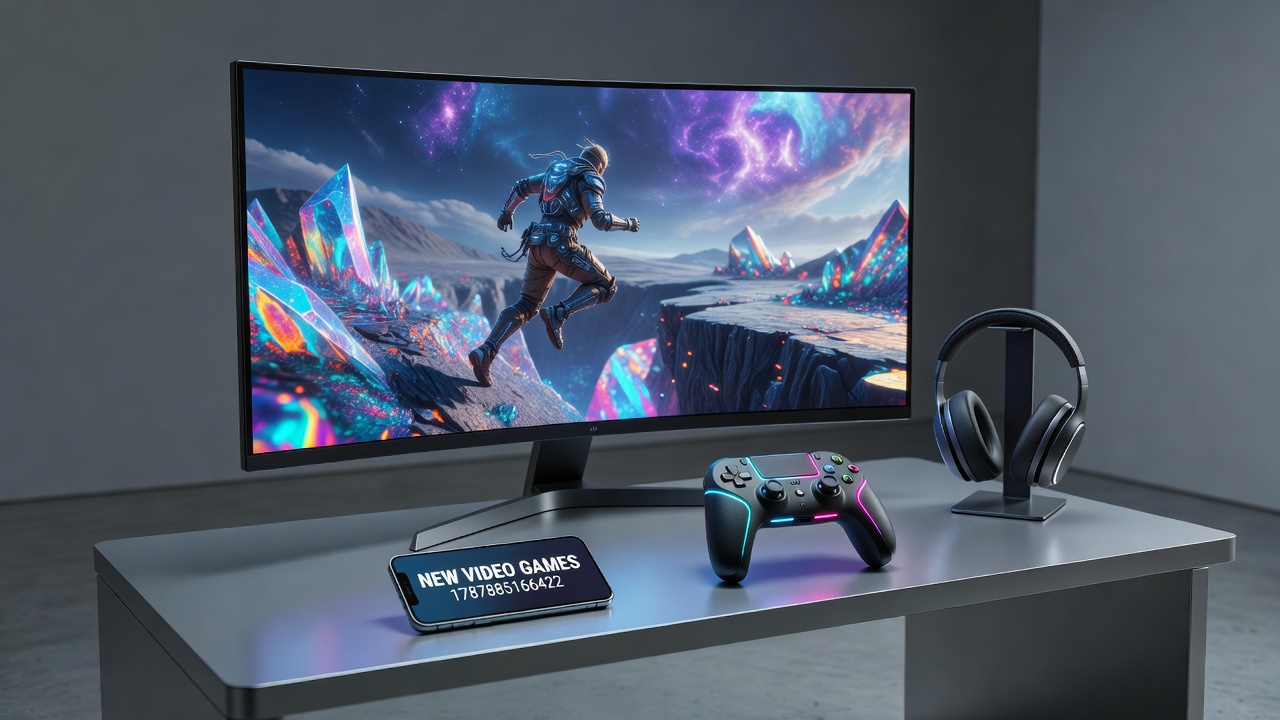
New Video Game Releases Driving Industry Growth in 2026
Video game development continues to accelerate as studios prepare multiple major releases scheduled throughout the remainder of 2026, and developers have already announced several high-profile titles set to arrive during the summer and fall months. August 2026 marks a particularly active period when publishers traditionally unveil updated roadmaps and preview events that draw attention from both players and analysts tracking market trends. Research from industry groups shows that new entries across action, role-playing, and simulation genres account for much of the projected revenue growth this year.
Key Titles Arriving This Season
Multiple studios have confirmed launch windows for games that incorporate enhanced graphics engines and expanded multiplayer features, while smaller teams focus on narrative-driven experiences that leverage improved storytelling tools. Data from the Entertainment Software Association indicates that digital distribution now represents over 80 percent of total sales in North America, which allows independent developers to reach broader audiences without traditional retail constraints. Observers note that cross-platform compatibility has become standard practice, enabling players on consoles, PCs, and mobile devices to participate in the same shared worlds.
One project drawing early interest involves a sequel to a popular open-world franchise that adds procedural weather systems and dynamic ecosystems, and another title introduces cooperative mechanics designed for up to eight participants simultaneously. Those who follow development cycles point out that beta testing phases for several upcoming games began in late spring, providing feedback that shapes final balance adjustments before public availability. Figures from the International Game Developers Association reveal that teams now allocate roughly 30 percent of project budgets to quality assurance and community input rounds.
Technological Shifts Influencing Design
Hardware improvements in processing power and ray-tracing capabilities allow developers to create more detailed environments without sacrificing frame rates, and cloud streaming services have expanded to support higher resolutions on lower-end devices. Researchers at various universities have documented how machine learning assists with non-player character behaviors, creating more responsive interactions that adapt to individual play styles over time. This integration appears in several announced titles where enemy patterns evolve based on prior encounters rather than following fixed scripts.

Virtual and augmented reality applications continue to expand beyond niche markets, with new headsets supporting lighter form factors and longer battery life that encourage extended sessions. Reports compiled by European games industry organizations show increased investment in accessibility options such as customizable controls and audio descriptions, which now appear as standard features in many upcoming releases. Developers have integrated these elements from early prototyping stages rather than adding them as afterthoughts.
Market Data and Player Trends
Global sales figures released earlier this year highlight steady growth in the simulation and strategy categories, while live-service models maintain strong engagement metrics through regular content updates. Analysts tracking regional differences observe that Asian markets favor mobile-first experiences with social integration, whereas North American and European players show higher adoption rates for premium single-player campaigns. Subscription services have gained traction as well, with several platforms reporting subscriber bases that exceed previous forecasts by double-digit percentages.
Community events scheduled for August 2026 include online tournaments and developer panels that provide direct channels for feedback, and these gatherings often influence post-launch support plans. Data collected from similar events in prior years demonstrates measurable spikes in pre-order activity following major announcements. Studios continue to experiment with hybrid monetization approaches that combine one-time purchases with optional cosmetic items, maintaining flexibility across different regulatory environments.
Conclusion
The combination of advancing technology, diversified distribution methods, and evolving player expectations shapes the current landscape of new video game releases. Industry reports consistently show that innovation in both hardware and software supports continued expansion, while accessibility improvements broaden participation. As August 2026 progresses, additional announcements will likely clarify exact launch dates and feature lists for titles still in development, offering further insight into the direction of interactive entertainment.